


This monthly meme is hosted by Kate at Books Are My Favourite and Best. I participated last month and had loads of fun, so I decided to take part again. On the first Saturday of each month a book is chosen as a starting point and linked to six other books to form a chain. A book doesn’t need to be connected to all the other books on the list, only to the ones next to it in the chain. Everyone starts with the same book, and it’s fun to see the different connections people make, and where they end up. Remember to post a link or just comment your chain over on Kate’s blog!
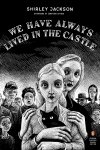
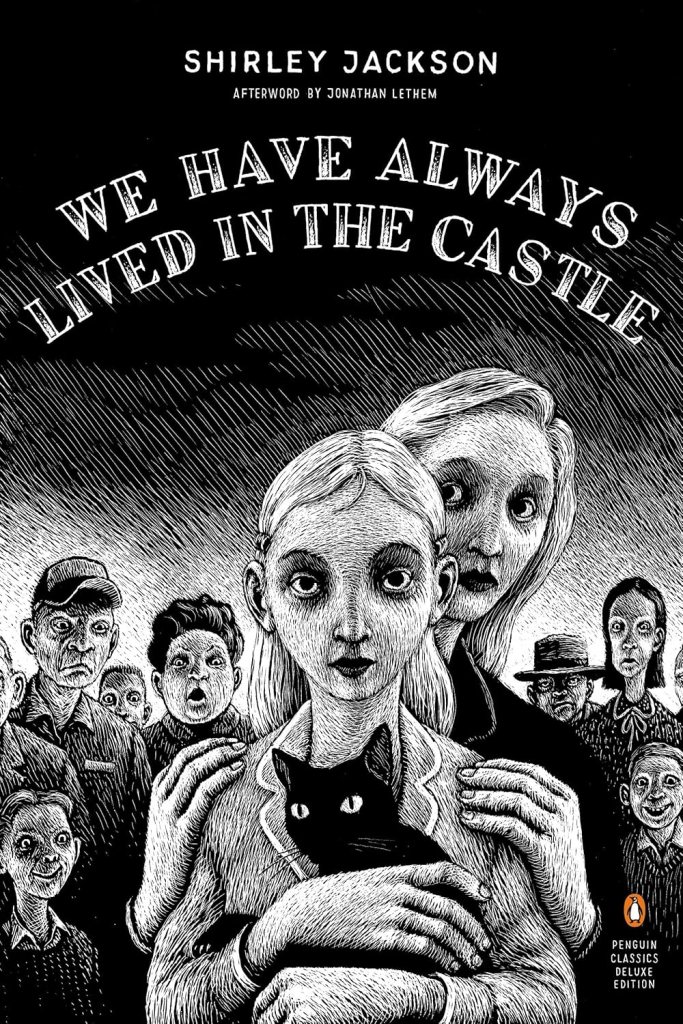
This month we’re starting with We Have Always Lived in the Castle by Shirley Jackson. I haven’t read this book but the first thing which caught my attention is the striking black & white cover.

Another book which I haven’t read with a striking black & white cover is The Music Makers: A novel about the death and re-birth of freedom by James D. Snyder. While I have yet to begin my review copy of this book, I am aware that one of the central themes of the story is freedom.
Freedom is also a central theme in I Am David by Anne Holm, a five star read about a young boy who escapes from a concentration camp and flees alone across Europe. This may be a middle-school book, but it’ll break your heart into pieces more than once.

Heartbreaking stories about concentration camp survivors puts me in mind of The Complete Maus by Art Spiegelman. Maus is a graphic novel which tells the story of Vladek Spiegelman, a Jewish survivor of Hitler’s Europe, and his son, a cartoonist coming to terms with his father’s story. It’s a story we’re all familiar with by now, but made all the more poignant by Spiegelman’s use of anthropomorphised animals.
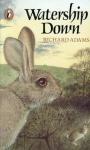
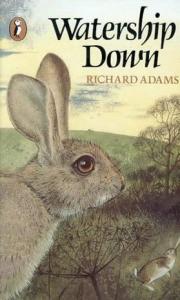
Anthropomorphising animals is an effective way to encourage readers to internalise a difficult story. It is a method that was used well by Richard Adams in his novel Watership Down, in which he uses rabbits to explore democracy, authoritarianism, and freedom. It came as no surprise that Watership Down won the Carnegie medal in 1972.
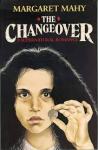
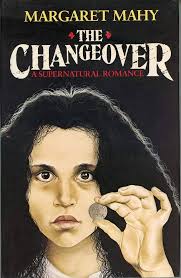
One of my favourite Carnegie medal winners is The Changeover: a supernatural romance by Margaret Mahy. Incidentally, Mahy is one of only eight people to have won the Carnegie medal twice. In The Changeover, many of the experiences of the protagonist, Laura, revolve around trust and communication. Throughout the story, Laura struggles to determine who she should trust and how much of herself to reveal.
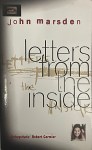
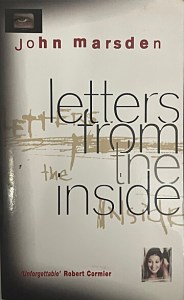
The struggle to determine who to trust and how much of herself to reveal are experienced by Mandy, the protagonist in Letters from the Inside by John Marsden, a young adult book told through the letters of two teenage girls who become pen pals.
From a gothic murder mystery about secrets and deception to a contemporary YA novel about secrets and deception, with a generous helping of heartache and the struggle for freedom in between, that’s my 6 degrees for the month of November. I wonder where the next month will take me?
December starter: Seascraper by Benjamin Wood.
© Adele Walker October 2025
 Adele Bound in Books
I love your black and white cover link! Watership Down was one of my favourite books as a child and I enjoyed re-reading it as an adult a few years ago too. Great chain.
LikeLiked by 1 person
Excellent. I read Watership Down, as well as Animal Farm, so yes, anthropomorphic animals can help readers with harder subjects. But personally, I prefer humans to tell the stories I read.
LikeLiked by 1 person
A very thoughtful chain, Adele. Like Davida, I usually prefer stories told by humans, but Watership Down is so well done that I couldn’t help but love it. Another good non-human narrator is the dog in The Art of Racing in the Rain.
LikeLiked by 1 person
I love this chain. Such diverse books but great links.
LikeLiked by 1 person
So glad to see you back again this month, and that you are planning to join again in the future. I always enjoy putting this post together each month!
LikeLiked by 1 person
Watership Down traumatised me a little as a child, although it was considered suitable to read in school – and then the film really broke me when I watched it later in life!
LikeLiked by 1 person