

Top Ten Tuesday is a meme hosted by Jana over on that artsy reader girl, which features a different bookish theme every week. I’m so late this week, though, that my Top Ten Tuesday has turned into a Top Ten Thursday lol. This week’s theme is a Halloween freebie. Now, Halloween might be all about jump scares and spooky tales but sometimes the horrors aren’t found in ghost stories or haunted houses. From devastating fires to natural catastrophes, these ten disasters, all of which unfolded in October, remind us that the spooky season doesn’t always need imagination to send a shiver down your spine. Sometimes the scariest things are the ones that actually happened.
CONTENT WARNING: THIS WEEK’S POST CONTAINS DISTURBING CONTENT INCLUDING GUN VIOLENCE, SUICIDE, AND CHILD DEATH. READ AT YOUR OWN DISCRETION.
A quick note before we start: I’ve left out anything related to terrorism, war, or rebellion. Those events carry political, moral, and ethical concerns that I just don’t want to deal with right now. I also haven’t ranked these disasters by how deadly or destructive they were. They appear here simply because each one piqued my interest in some way. Also, I’m feeling lazy this week due to being on the mend from a nasty cold, so most of the info in the descriptions has been lifted from Wikipedia.
Number 1
Aberfan Disaster
21 October 1966
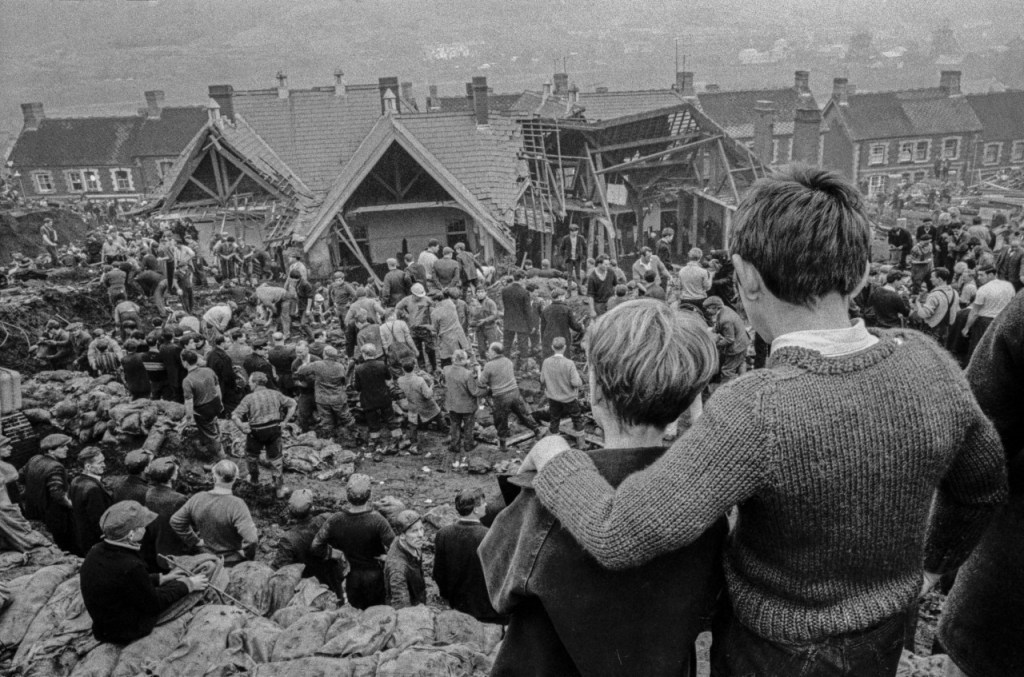
The Aberfan Disaster is one of the worst mine-related disasters in British history. Heavy rains during the first weeks of October 1966 caused a colliery spoil tip situated in the hills above the Welsh village of Aberfan to collapse in an avalanche. Sliding down the hill, the slurry destroyed and engulfed farms, homes, and schools, killing 116 children and 28 adults, some of them staff who gave their lives in an attempt to protect the children in their care.
Number 2
Lake Grace Storm
16 October 2005

On October 16 2005 a hail storm destroyed 500 hectares of wheat and barley crop in the Lake Grace area of Western Australia. Over 200 farms were affected, with an estimated damage cost of over $10 million.
Australian Institute for Disaster Resilience Knowledge Hub link.
Number 3
Luby’s Massacre
16 October 1991

On October 16 1991, 35-year-old George Hennard, drove a blue 1987 Ford Ranger pickup truck through the plate-glass front window of a Luby’s Cafeteria in Killeen, Texas. He then opened fire, killing 23 people and wounding 27 others. He died by suicide after a brief exchange of fire with law enforcement.
Number 4
Great Hurricane of 1780
10-16 October 1780

Considered the deadliest tropical cyclone in the Western Hemisphere, the specifics on the hurricane’s track and strength are unknown. However, it’s likely that, at the time it hit Barbados, the hurricane was a category 5, with one estimate placing wind gusts as high as 320 km/h (200 mph). The storm killed approximately 22,000-30,000 people throughout the Lesser Antilles.
Number 5
The Windscale fire
10 October 1957

The Windscale fire of 10 October 1957 was the worst nuclear accident in the United Kingdom’s history, and one of the worst in the world, ranked in severity at level 5 out of 7 on the International Nuclear Event Scale. The fire burned for three days and released radioactive fallout which spread across the UK and the rest of Europe. At the time of the incident, no one was evacuated from the surrounding area and the radiation leak may have caused 240 additional cancer cases, at least 100 of them fatal.
Number 6
London Beer Flood
17 October 1814

On 17 October 1814, one of the Horse Shoe Brewery’s 22-foot-tall (6.7 m) wooden vats of fermenting porter burst. The escaping liquid dislodged the valve of another vessel and destroyed several other large barrels. In all, a 15 foot (4.6 m) wave of between 128,000 and 323,000 imperial gallons (580,000–1,470,000 litres; 154,000–388,000 US gal) of beer destroyed the back wall of the brewery and swept into the slum known as the St Giles rookery. Eight people, four of them children, were killed. Five of the dead were mourners at a wake being held by an Irish family for a two-year-old boy. One of those killed was the boy’s mother.
Number 7
2005 Kashmir earthquake
8 October 2005
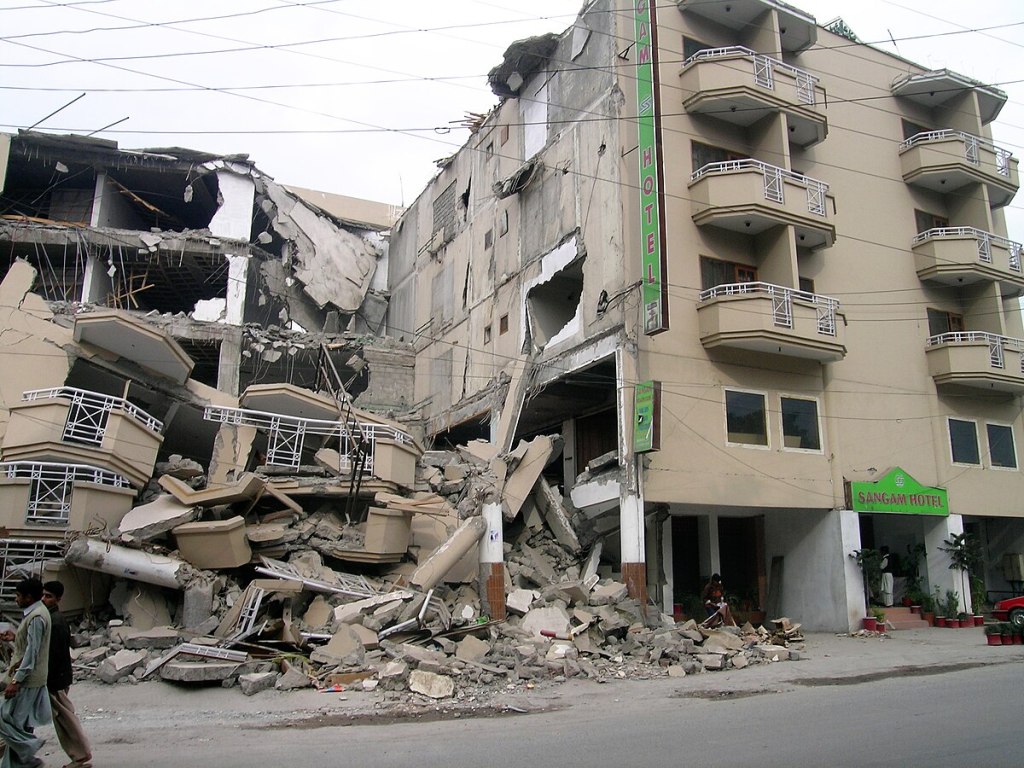
The 7.6 magnitude earthquake which hit Pakistan at 8.50am on October 8, 2005 isn’t the largest earthquake to hit this region but it is considered to be the deadliest. Its epicentre was 19 km northeast of the city of Muzaffarabad, and 90 km north north-east of Islamabad, the capital city of Pakistan, and was felt as far away as Afghanistan, Tajikistan, India and the Xinjiang region. The official death toll in Pakistan was between 73,276 and 87,350, with some estimates being as high as 100,000. In India, 1,360 people were killed, with 6,266 injured, while four others died in Afghanistan. Nearly 138,000 people were injured, and over 3.5 million were rendered homeless. Cold weather increased the death toll for those who survived the earthquake, but were displaced and homeless. The earthquake occurred during a school day in the region, and most students were at school when the earthquake struck. In total, approximately 19,000 victims in Pakistan were students who died when their schools collapsed. Women made up a larger portion of casualties as many were inside cleaning after the morning meal.
Number 8
The Great Chicago Fire
8-10 October 1871
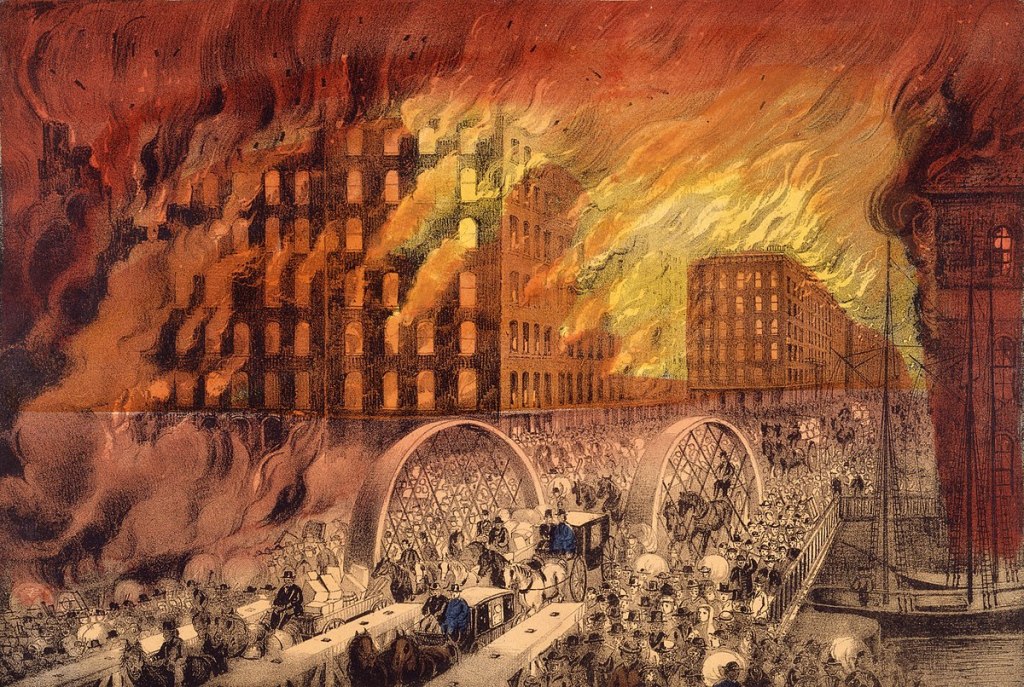
The Great Chicago Fire began at about 8:30 p.m. on October 8, in or around a small barn belonging to the O’Leary family which bordered the alley behind 137 W. DeKoven Street. It’s unclear precisely how it started. There are several tales: It may be that Peglin Sullivan accidentally knocked over a lantern while looking for beer for a party. Or perhaps a group of men were gambling inside the barn and knocked over a lantern. The most popular story blames Mrs. O’Leary’s cow, which allegedly (wouldn’t you know it) knocked over a lantern lol. About the only thing everyone seems to agree on is that the shed next to the barn was the first building to be consumed by the fire.
Several factors contributed to the rapid spread of the fire, including a long drought in that year’s summer, strong winds from the southwest, the predominantly wooden structures through most of the city, and the rapid destruction of the water pumping system. It certainly didn’t help that an error sent the firefighters to the wrong address at first, allowing the fire to grow unchecked. The fire is thought to have killed around 300 people, though only 120 bodies were recovered. Roughly 3.3 square miles (9 km2) of the city including over 17,000 structures was destroyed, and more than 100,000 residents were left homeless, around 28% of the population at the time.
Number 9
The Black Death
October 1347
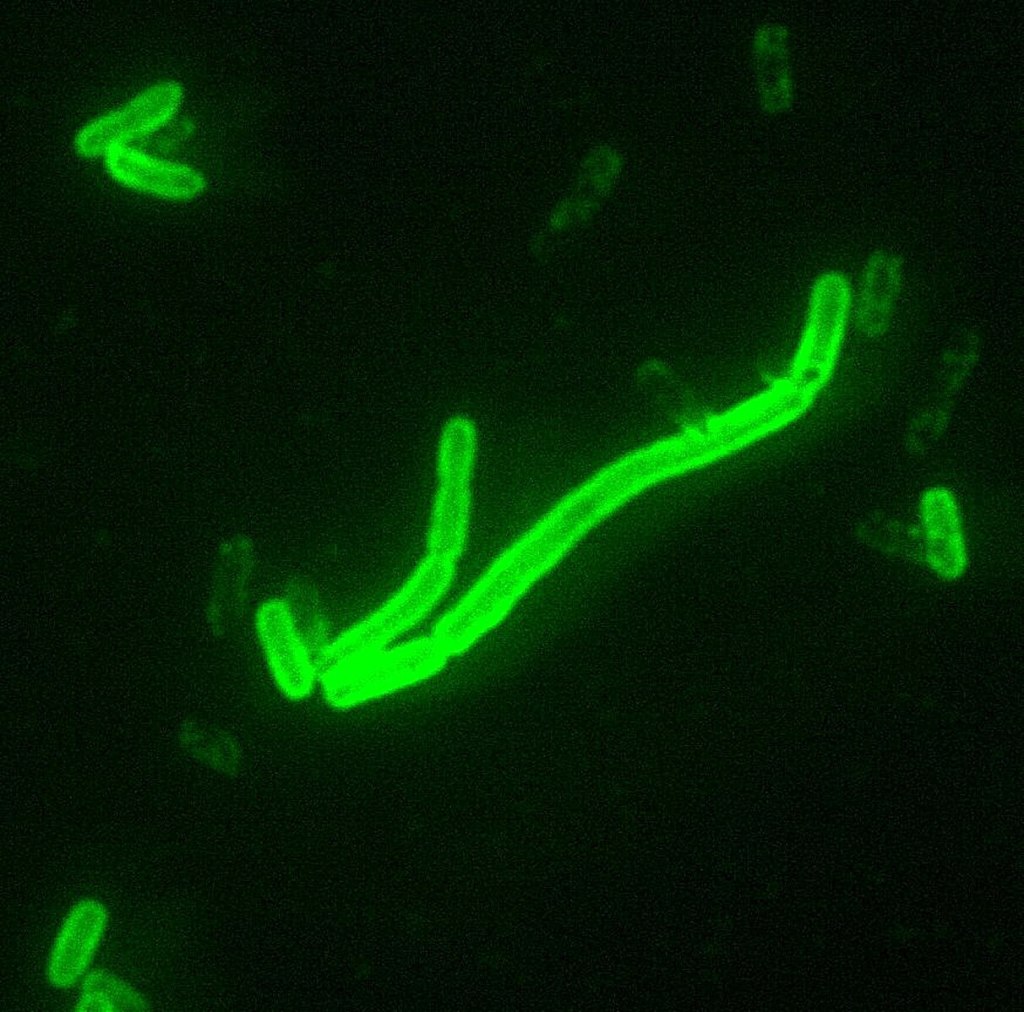
Plague was reportedly first introduced to Europe via Genoese traders from their port city of Kaffa in the Crimea in 1347. Carried by twelve Genoese galleys, plague arrived by ship in Sicily in October 1347 rapidly spreading across the island. Galleys from Kaffa reached Genoa and Venice in January 1348, but it was the outbreak in Pisa a few weeks later that was the entry point into northern Italy. Towards the end of January, one of the galleys expelled from Italy arrived in Marseilles. By 1353, plague had spread to the majority of Europe. While the term ‘Black Death’ is quite old, being used by both Homer and Seneca the Younger, it is mainly used today to distinguish the mid-14th century pandemic from other Yersinia Pestis outbreaks. It is not a name that was used at the time, though. Contemporary sources refer to the disease as the ‘pestilence’ or ‘great pestilence’, ‘the plague’, or the ‘great death’.
Number 10
1902 eruption of Santa María
24 October 1902
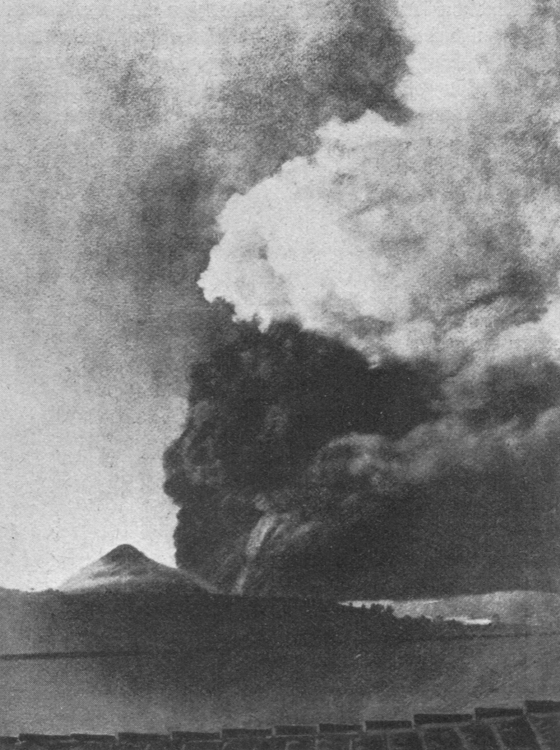
The 1902 eruption of Santa María was one of the largest eruptions of the 20th century, measuring a six on the volcanic explosivity index. The main eruption began on 24 October 1902 and lasted no more than 20 hours, killing between 5,000 and 8,700 people. Immediate knowledge about the eruption was suppressed by President Manuel Estrada Cabrera due to the occurrence of a propaganda festival at around the same time of the eruption. Aid didn’t reach the affected areas until December.
As the spooky season approaches its end, it’s easy to see why October holds such a haunting place in our imaginations. While we play tricks and pass out treats, these real-life catastrophes remind us that the world doesn’t need ghosts and monsters to be frightening. Sometimes history itself is the best ghost story of all.
© Adele Walker October 2025
 Adele Bound in Books
Goodness me!
LikeLiked by 2 people